Jonas Araújo
Employee at the Botanical Garden of Rio de Janeiro

Watching the young people at work in the Rio de Janeiro Botanical Garden, you quickly realize that there is more growing here than plants. The “Florescer” training program has been supporting socially disadvantaged young people since 1989, and gives them an opportunity that can change their lives.
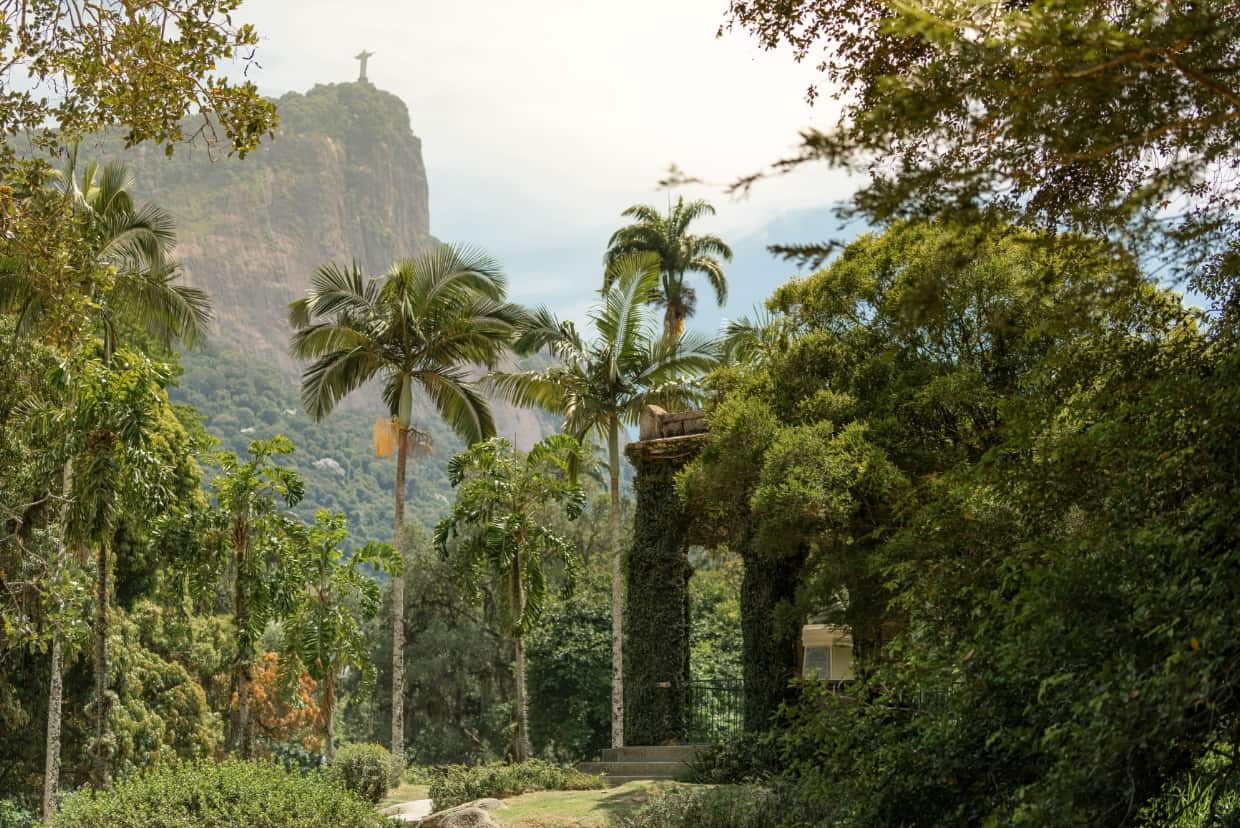
Jonas Araújo surveys the lush greenery of the Botanical Garden. The park at the foot of the Corcovado mountain covers 140 hectares. Thirty years ago, the 46-year-old would never have dreamed of having a permanent job and a stable life. As a street child with no prospects, the Florescer project was a turning point for him. He learned the skill of gardening, found stability, and remained loyal to the place.
“Today I see the project growing in an extraordinary way and helping many young people.”
Jonas Araújo Employee at the Botanical Garden of Rio de Janeiro
Florescer – Portuguese for “to blossom” – supports young people aged between 15 and 19 from low-income communities. Many of the participants grew up in an environment with few career opportunities available. The program gives young people practical training in horticulture, focusing either on agricultural ecology or becoming administrative assistants. They also receive education to strengthen their reading, writing, general knowledge, and digital skills, as well as psychological counseling.
Jonas Araújo
Employee at the Botanical Garden of Rio de Janeiro
This structure ensures that Florescer is not only about gaining professional qualifications – it also improves the living conditions of young people, strengthens their self-esteem, and increases their chances on the employment market. Ulisses Carvalho de Souza, social educator and head of the horticulture training program, emphasizes: “We don’t just train specialists here. We are training citizens, people with character.”
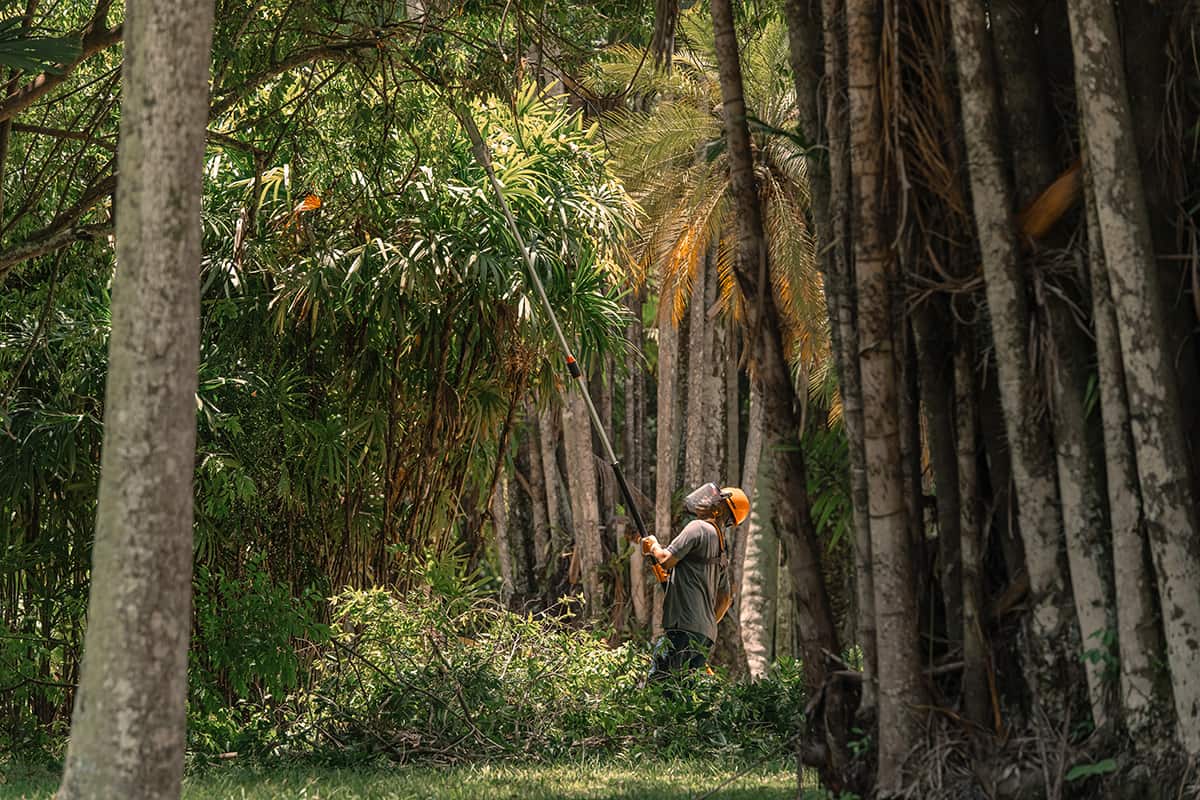
STIHL Brazil has been supporting the project financially and with power tools since 2015. The sponsorship includes training scholarships, meals, work clothes, travel expenses, and teaching materials. STIHL power tools such as chainsaws, clearing saws, hedge trimmers, and blowers are also used in training.
Letícia Araújo de Sampaio is one of the current participants. The 15-year-old applied to the Florescer program after a neighbor told her about it. “I’ve always been interested in plants and animals,” she says. She spends mornings in the Botanical Garden learning how to care for green spaces, and the right way to prune and water plants. She is also taught how the nearly 500 cubic meters of leaves and plant cuttings produced in the park annually are processed into valuable compost. In the evenings she attends school in her hometown north of Rio, working toward her school graduation certificate.
Letícia is growing not only professionally, but also personally. “I always used to be very shy, had difficulty putting myself forward or taking the initiative,” she says. From working in the garden every day and with the Florescer team, she has learned to find her voice and take responsibility. Her dream – and a sign of her newly gained confidence – is to eventually study veterinary medicine.
“It’s really nice to see your own efforts really making a difference.”
Letícia Araújo de Sampaio Florescer participant

FAVORITE TOOL
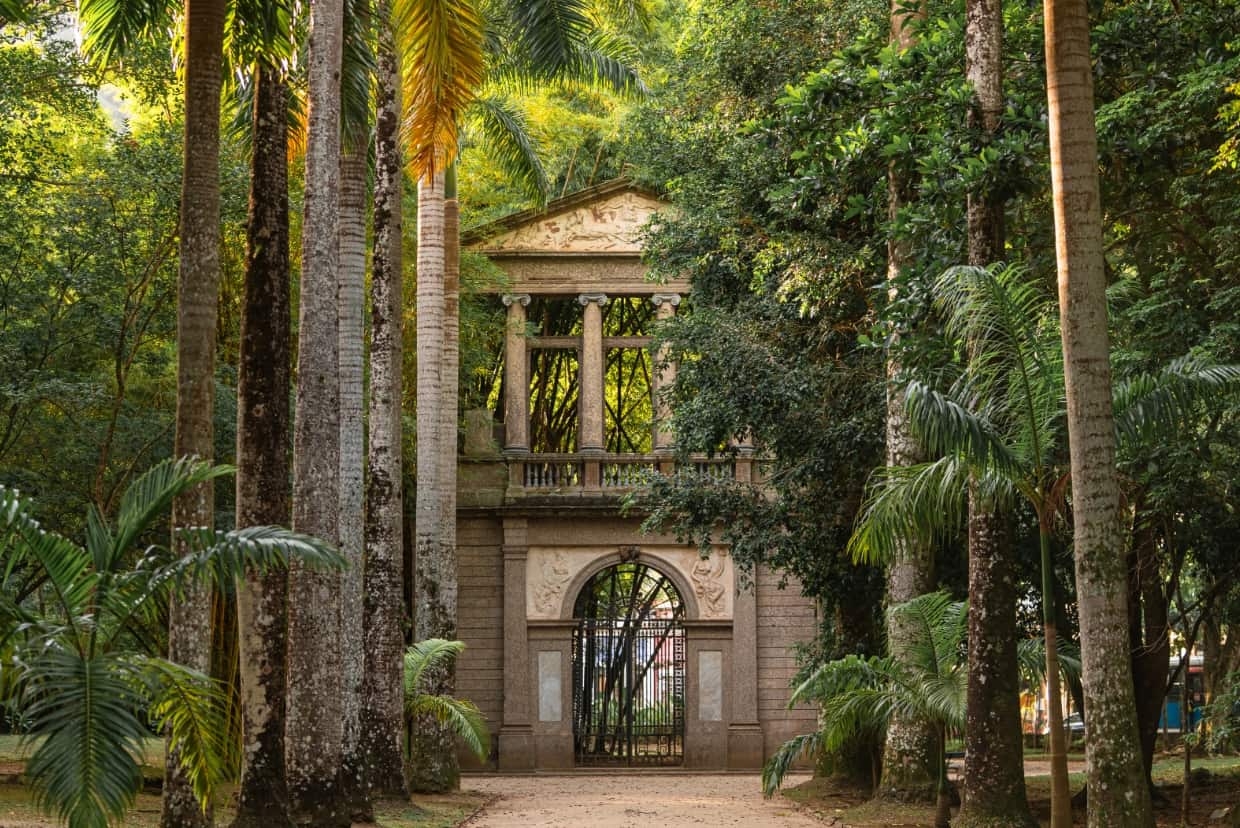
Letícia’s favorite tool to work with is a STIHL blower. It makes quick work of clearing leaves from the famous “palm alley”.
Letícia’s story demonstrates how broad the impact of Florescer is: Young people not only acquire practical skills, but also strengthen their communication, self-confidence, and awareness of sustainability. Many of them transfer this knowledge to their families and communities – through small community gardens or sustainable household practices, or by providing financial support to their families.
Ultimately, these two examples represent many stories: Jonas, who himself thrived in the program decades ago and still works in the Botanical Garden today; and Letícia, who is just starting to find her path. They show what Florescer is all about: When young people are given the chance to take responsibility and discover their talents, something emerges that reaches far beyond the garden – a perspective that can change a life.
A special place of learning: the Botanical Garden
The Rio de Janeiro Botanical Garden is one of the ten most important in the world. Established in 1808, it is home to 6,500 plant species, many of which are endangered. UNESCO has named the park a biosphere reserve of the Atlantic Rainforest.
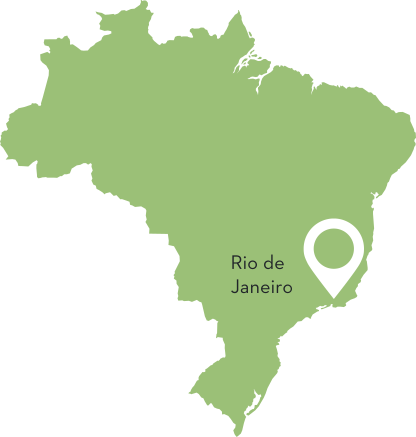







30
is the temperature in Rio de Janeiro all year round. The Botanical Garden thrives in this tropical climate.
6,500
are flourishing in the Rio de Janeiro Botanical Garden. Many of them are threatened with extinction.
150
can be found there. These include toucans, hummingbirds, and parrots.